
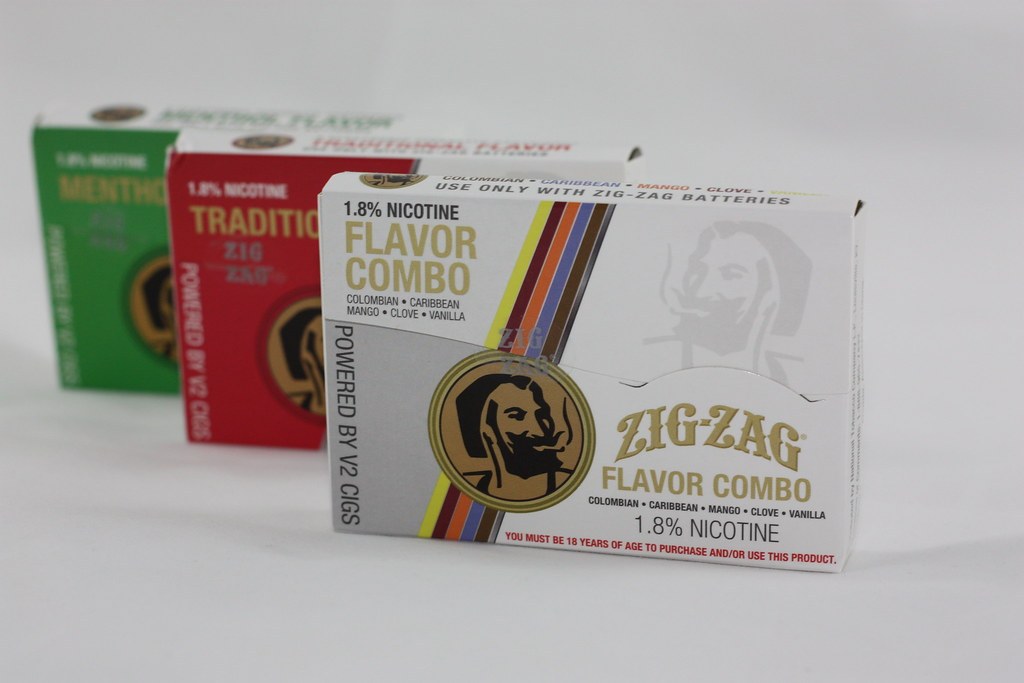
Most people think they’re choosing a lifestyle when they grab a colorful plastic stick at the checkout counter, but they’re really just buying a temporary fix for a manufactured craving. You see it every day in convenience stores and on street corners. People walk in looking for a specific taste and walk out with a piece of electronic waste they’ll probably toss in a regular trash can by next Tuesday.
The convenience of these things is why they’re so popular. You don’t have to mess with refilling tanks, changing coils, or cleaning up leaked liquid on your car seats. You just use it until it dies, then you buy another one. It’s a cycle built on ease and the instant gratification of a concentrated nicotine dose paired with something that tastes like candy.
We’ve seen this shift happen in real-time. The transition from the clunky, heavy hardware of ten years ago to these sleek, lightweight cylinders has changed how people approach nicotine. It’s moved from a hobbyist’s ritual into a casual, almost disposable social habit. There isn’t really a barrier to entry anymore, which is exactly what the manufacturers wanted when they designed these products.
This ease of use hides a more complex reality about how these products fit into our daily routines. They’re designed to be forgotten until the battery dies or the liquid runs dry. That sudden realization that your device is spent is what triggers the next purchase. It’s a loop that is hard to break once it starts.
The Chemistry of Nostalgia in a Pod
If you walk through a vape shop or a local bodega, you won’t see much tobacco. Instead, there’s a rainbow of neon colors for flavors that have nothing to do with actual leaves or smoke. You’ll see gummy bears, blue raspberry slushies, mango sorbet, and even breakfast cereals. It’s a deliberate move away from the harshness of smoking toward something that feels more like a treat than a vice.
Flavor is the ultimate hook. When a product tastes like a summer vacation, the brain’s reaction to the nicotine is softened by the pleasant sensation. It masks the throat hit that many new users find unpleasant. This makes the transition into nicotine use much smoother and, as a result, much more habitual. You aren’t just fighting an addiction; you’re chasing a specific flavor profile you can’t get anywhere else.
The variety is almost overwhelming for a newcomer. Someone might start with a simple menthol but quickly find themselves gravitating toward a creamy vanilla or a tart citrus. This variety prevents the boredom that often leads people to quit. If you get tired of one, there are a hundred other options on the shelf. This constant novelty keeps the user engaged with the product line rather than the sensation of quitting.
It creates a strange paradox where the device is meant to be simple, yet the sensory experience is incredibly complex. You might find yourself looking for a very specific brand of mango ice because no other brand hits that exact level of sweetness. It turns a simple habit into a brand-loyal pursuit of a specific taste. This is how disposables dominate the market, by turning a chemical delivery system into a snack-like experience.
The psychological impact of these flavors matters. They bridge the gap between adult products and the bright, colorful aesthetics of children’s snacks. It’s a subtle way to make the product feel approachable and non-threatening. It strips away the “rebel” image of smoking and replaces it with a “lifestyle” image that feels modern and clean.
The Economics of the One-Time Use Model
The business model behind these devices is built on a very specific type of math. You’re paying for the convenience of not having to maintain anything. Most people would agree that owning a car is great, but nobody wants to spend every weekend changing the oil or checking the tire pressure. Disposable units offer the “car” without any of the maintenance, which is an easy sell to a busy person.
But this convenience comes with a hidden price in terms of long-term cost and environmental impact. While a single device might seem cheap, the cumulative cost of replacing them every few days adds up quickly. It’s a subscription model where you don’t even get the benefit of a membership or a discount for loyalty. You just keep paying for the privilege of having a device that works for a few hundred puffs and then becomes useless.
Consider the following factors that drive this specific market:
- Low initial investment for the consumer.
- Zero maintenance or cleaning required.
- Instant gratification through pre-filled liquid.
- High portability compared to older, bulkier systems.
- The ability to switch flavors instantly without mess.
We see this play out in how retail space is allocated. The “disposable” section is often near the front, designed for impulse buys. It’s a high-velocity part of the business. The turnover is incredibly fast because the product is designed to be discarded. This creates a constant stream of revenue for the retailer and a constant cycle of consumption for the user.
The hardware itself is a marvel of cheap, efficient engineering. They’re designed to be just functional enough to last for the intended duration, but not so durable that they can be reused. It’s a race to see how much utility can be squeezed out of a small lithium battery and a tiny piece of cotton before the user decides to buy the next one. It’s efficient, it’s profitable, and it’s incredibly effective at driving repeat business.
How much of our daily habit is actually about the nicotine, and how much of it is just the habit of buying something new every week?
The answer is likely a messy combination of both. The machine is designed to make the decision-making process as frictionless as possible, which is the most dangerous thing for anyone trying to manage a habit. Friction is what makes us stop and think. Without it, we are just moving from one impulse to the next without realizing the pattern we’ve fallen into.
Hardware vs. The Disposable Reality
There is a significant divide between the world of high-end vaporizers and the world of disposables. The former is a hobby for people who want to control their experience, from the wattage of the coil to the specific ratio of nicotine to vegetable glycerin. They are tools that require attention, cleaning, and a certain level of technical understanding. They’re expensive up front and require a commitment to the process.
The disposable, on the other hand, is a consumer good. It’s closer to a bottle of water or a pack of gum than it is to a piece of high-tech equipment. This shift in categorization is what has changed the demographic of the user base so drastically. It’s taken the technology out of the hands of enthusiasts and put it into the hands of everyone from teenagers to commuters on the subway.
| Feature | Refillable Systems | Disposable Systems |
| Initial Cost | High | Low |
| Maintenance | Required | None |
| Flavor Control | High | Fixed |
| Environmental Impact | Moderate |
This distinction is vital when we look at why some people find it so hard to stop. With a refillable system, there are many points of failure where a person can decide to quit. You can run out of liquid, you can burn a coil, or you can simply decide the maintenance isn’t worth it. With a disposable, the device is always ready and always tastes exactly the same, making the urge to use it more consistent and predictable.
We see the physical design of these things reflecting this philosophy. They are often colorful, sometimes shaped like something else entirely, and almost always designed to be held easily in one hand. They’re meant to be used in public, in short bursts, and then tucked away. They don’t demand your attention like a traditional pipe or a heavy mod; they just sit there, waiting for the next puff.
The design language is all about being unobtrusive. You can use one in a coffee shop without looking like you’re performing a complex ritual. It looks like a pen or a small piece of tech. This invisibility is a big part of why they’ve become so pervasive in social settings. It’s a quiet habit that blends into the background of modern life, making it even harder to notice how much time is actually being spent on it.
The Waste Problem and the Silent Cost
The environmental conversation around these devices is often sidelined by the debate over nicotine, but the physical reality is hard to ignore. We’re looking at a massive influx of small, complex pieces of waste that aren’t easily processed by standard recycling programs. You have lithium batteries, plastic casings, and absorbent material all fused together in a way that makes them difficult to separate.
Because they’re designed to be cheap, they’re also designed to be disposable. This contradicts the growing trend of sustainability in almost every other consumer sector. While we’re being told to bring our own bags and avoid single-use plastics, a whole category of highly convenient single-use electronics is growing in the shadows. It’s a strange contradiction of modern consumerism.
The sheer volume of these items is difficult to grasp until you see a bin full of them. They’re small, so they slip through the cracks of many waste management systems. They end up in landfills where the batteries can potentially leak or cause issues in processing centers. It’s a direct result of a product design that prioritizes the user’s convenience above the long-term health of the environment.
We also have to consider the lifecycle of the flavorings. The chemical complexity required to create a “mango ice” or a “strawberry cheesecake” flavor involves a variety of compounds that aren’t always well-understood in terms of their long-term environmental impact once they are discarded in mass quantities. It’s a cycle of production and disposal that is moving faster than our ability to manage it.
Some people argue that these devices are a “harm reduction” tool because they are less harmful than traditional cigarettes, which is a valid point in a narrow sense. But even if the biological harm is lower, the ecological harm is arguably higher. We’ve traded one type of pollution for another, and the transition has been remarkably quiet. It’s a trade-off that we’re only just beginning to measure the full extent of.
The skepticism usually centers on whether the convenience is worth the environmental cost. But for a user in the middle of a craving, the immediate relief of a flavored puff outweighs the theoretical impact of a battery in a landfill, and that is exactly how the industry has ensured its own survival.
Questions people ask
What are disposable e-cigarettes?
Disposable e-cigarettes are all-in-one nicotine delivery devices that are intended to be used until the battery or e-liquid is depleted and then discarded.
How many puffs can I get from a disposable vape?
The puff count varies significantly by device, typically ranging from 600 to several thousand puffs depending on the e-liquid capacity and battery size.
Why are there so many different flavors in disposable vapes?
Manufacturers offer a wide variety of flavors, such as fruit, dessert, and menthol, to cater to diverse consumer preferences and enhance the user experience.
Are disposable e-cigarettes healthier than traditional cigarettes?
While they contain fewer harmful substances than combustible tobacco, they still contain nicotine and other chemicals that pose health risks.