
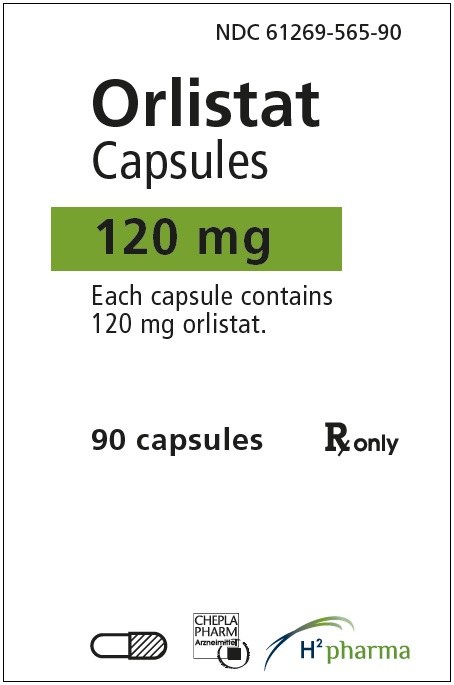
People often assume weight management meds work by killing your appetite or messing with brain chemistry to stop cravings. That’s a mistake. Orlistat, specifically Xenical 120 mg, doesn’t touch your brain, your hormones, or your cravings. It’s a localized digestive enzyme inhibitor that stays in the gastrointestinal tract to stop dietary fat from being absorbed.
To put it simply, Xenical prevents a chunk of the fat you eat from entering your bloodstream. Instead, that fat passes through your digestive system mostly intact. The calories in those fats are basically wasted and excreted. It’s a mechanical approach to weight, not a psychological one. Unlike medications that alter your perception of hunger, Orlistat acts as a physical barrier to nutrient uptake, specifically targeting the lipid component of your diet.
How does the mechanism of action actually work in the gut?
When you eat, your body releases enzymes to break down nutrients. One of the big ones is lipase. Lipase’s job is to chop up large fat molecules into smaller fatty acids so your body can actually absorb them. Without functional lipase, fat stays in a state your body can’t easily use. This process is essential for utilizing energy from fats, which are the most calorie-dense macronutrient in the human diet.
Xenical 120 mg targets that exact process. It binds to the lipase enzymes in your stomach and small intestine, which inactivates them. Once bound, the enzyme can’t do its job. This creates a localized effect inside the gut, which is honestly exactly where you want it. By neutralizing the enzyme before it can interact with the triglycerides in your meal, the medication prevents the breakdown of fat into absorbable fatty acids and monoglycerides.
Because the fat isn’t broken down, it stays large and unabsorbable. Your body treats this undigested fat as waste. This is totally different from medications that slow down how fast your stomach empties or change hunger signals. You’ll still feel just as hungry, but the caloric impact of a high-fat meal is much lower. For example, if you consume a meal containing 50 grams of fat, a portion of those fat calories will simply pass through you, effectively reducing the net caloric load of that specific meal.
However, this mechanism has a physiological consequence. If you eat a very high-fat meal while on Orlistat, that undigested fat has to go somewhere. This leads to the most common side effect: oily, greasy, or urgent bowel movements. It’s just a direct result of the drug doing its job. This is why the “success” of the medication is directly proportional to how well you manage your fat intake; the more fat the drug has to block, the more physical symptoms you may experience.
What distinguishes the 120 mg dose from other options?
In pharmacology, dosages are usually adjusted based on how much you need to interfere with digestion. The 120 mg capsule is a standard dose meant to balance effectiveness with how well you can tolerate it. It isn’t an “extreme” dose, but it’s enough for many people to see a shift in their caloric intake. It sits in a middle ground between low-strength dietary supplements and higher-potency clinical interventions.
Choosing 120 mg often depends on how someone reacts to the digestive side effects. Some people find higher doses cause too much distress, making it hard to work or even have a social life. Others find 120 mg gives them the edge they need to stay on track without being completely overwhelmed by side effects. It is a dose designed for consistent, daily use rather than intermittent “crash” dieting.
Users usually have to adjust their fat intake to match the medication. If you learn more about how these substances work, you’ll see they aren’t “magic pills.” They are tools that require discipline regarding fat consumption. If you eat a steak covered in butter, the drug will struggle to keep up. The effectiveness of the medication is highly dependent on your baseline diet; if your diet is already extremely low in fat, the drug has very little to act upon.
The table below shows how different fat intake levels typically interact with the medication:
| Dietary Fat Content | Expected Medication Interaction | Likely Physical Outcome |
|---|---|---|
| Low (under 10g per meal) | Minimal interference | Standard digestion, few side effects |
| Moderate (15-30g per meal) | Effective fat blocking | Occasional mild gastrointestinal changes |
| High (over 30g per meal) | Maximum fat blocking | Significant oily stools or urgency |
What are the specific side effects to expect?
Orlistat’s side effects are almost entirely gastrointestinal. Since the drug stops fat absorption, any excess fat has to be excreted. You won’t feel “nausea” or a headache; it’s a physical, often messy, reality of digestion. Symptoms can include oily spotting, flatulence with oily discharge, and sudden urgency. These are often referred to as “steatorrhea” in a clinical setting.
These symptoms aren’t permanent. They are linked to how much fat is in your gut when you take the capsule. A salad with light dressing likely won’t cause any issues. A large pizza will be much more pronounced. This is why timing your dose with meals is so important. If you take the pill but don’t eat fat, you likely won’t notice anything. If you eat a burger and skip the pill, you’ll absorb the fat. If you eat a burger and take the pill, the fat will be excreted.
There’s also a concern about fat-soluble vitamins. Because the drug blocks fat absorption, it can inadvertently block vitamins that need fat to be processed, like vitamins A, D, E, and K. To fix this, many people take a multivitamin at a different time of day. Specifically, taking a multivitamin at least two hours before or after the Orlistat dose is a common strategy to ensure the vitamins are absorbed by the body rather than being carried out with the undigested fats.
Managing this requires a bit of planning. It’s common for users to avoid large public meals during the first few weeks. You have to understand your own threshold to use this without constant discomfort. It takes more self-awareness than most people realize. You essentially have to become an expert on your own digestive response to different food combinations.
Optimizing your dietary strategy
To get the most out of Orlistat without the discomfort, you need a strategic approach to meal composition. Because the medication only targets fats, it provides no benefit for calories coming from carbohydrates or proteins. If your weight loss stalls, it is likely because you have replaced fat with high amounts of sugar or refined starch, which the drug does nothing to prevent.
A successful protocol usually involves these three pillars:
- Caloric Density Awareness: Focus on high-volume, low-fat foods like leafy greens, lean proteins (chicken breast, white fish), and complex carbohydrates (oats, quinoa). This keeps you feeling full while minimizing the “side effect” risk.
- Strategic Timing: If you know you will be in a professional meeting or traveling, keep your fat intake extremely low for those meals. This prevents the risk of sudden gastrointestinal urgency in public settings.
- Micronutrient Buffering: Use a high-quality multivitamin to compensate for the potential reduction in vitamin absorption. This is a non-negotiable step for long-term users to prevent deficiencies in vitamins A, D, E, and K.
How does it differ from appetite suppressants?
The difference between Orlistat and modern GLP-1 agonists (the new class of weight loss injections) is huge. Appetite suppressants work on the central nervous system. They tell the brain, “You are full” or “You don’t need more food.” They change the psychological relationship with eating. They target the hypothalamus and the reward centers of the brain, reducing the dopamine hit you get from eating.
Orlistat does nothing to change your mind. You’ll still crave sugar, you’ll still want to snack, and you’ll still feel hungry when your stomach is empty. It simply changes the math of the calories you actually consume. It’s a mathematical correction rather than a neurological one. If you eat 1,000 calories of fat, Orlistat might reduce the actual absorbed energy to 750 calories, but your brain will still register that you ate a massive, heavy meal.
This makes Orlistat a very different tool. For someone struggling with emotional eating or intense cravings, Orlistat might feel like a blunt instrument. For someone who eats a balanced diet but struggles with high-fat “hidden” calories, it can be very effective. It is a tool for metabolic management, not behavioral correction.
Consider these primary differences in how they approach weight:
- Target Area: Orlistat works in the gut; suppressants work in the brain.
- Hunger Levels: Orlistat leaves hunger unchanged; suppressants reduce it significantly.
- Dietary Requirement: Orlistat requires low-fat management to avoid side effects; suppressants work regardless of macronutrient ratio.
- Mechanism: Orlistat blocks absorption; suppressants regulate insulin and satiety signals.
The choice usually depends on whether your main obstacle is caloric density or caloric volume. If you eat large amounts of food, you need volume control. If you eat small amounts of very fatty food, you need absorption control. For example, a person eating massive bowls of pasta (high carb/volume) would benefit more from a suppressant, while a person eating frequent small portions of avocado or cheese (high fat/density) would benefit from Orlistat.
As medicine moves toward more sophisticated hormonal therapies, the role of mechanical blockers like Xenical is becoming more specialized. It remains a tool for a specific metabolic profile: those who are already somewhat disciplined with food but need help mitigating the caloric impact of fats.
A few things readers ask
What is Xenical Orlistat 120 mg used for?
Xenical is used as a weight management aid to help reduce fat absorption in the digestive tract.
How does Orlistat 120 mg work?
It works by blocking the enzymes that break down dietary fats, preventing approximately 25% of fat from being absorbed.
What are the common side effects of Xenical?
Common side effects include oily spotting, gastrointestinal upset, increased bowel movements, and flatulence.
When should I take Xenical Orlistat 120 mg capsules?
The capsules should be taken during or up to one hour after meals containing fat.
Can I take Xenical if I am on other medications?
Yes, but you should consult a doctor as Orlistat may reduce the absorption of fat-soluble vitamins and other medications.